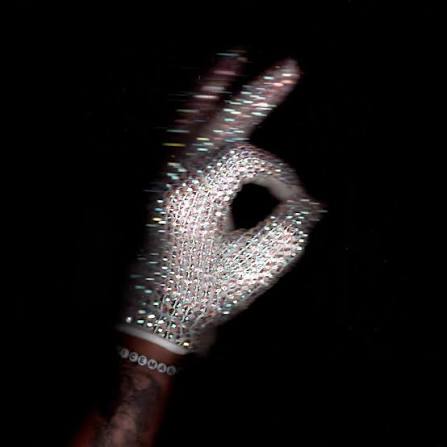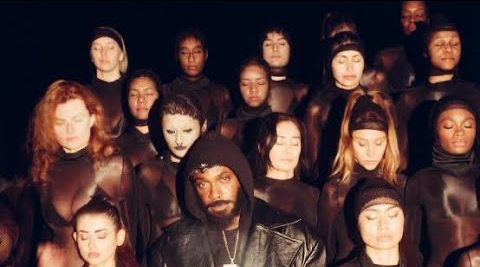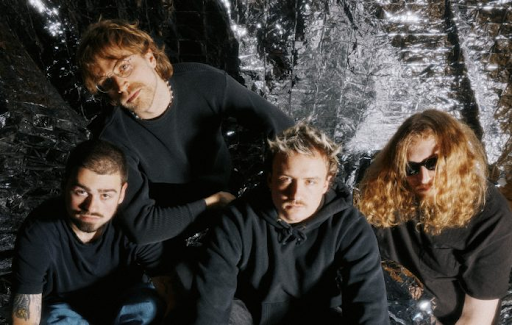


Daniel Dewan Sewell, also known as Danny Brown, recognized for his unconventional hardcore rap; however, his newest album “Stardust,” released on Nov. 7, 2025, is unlike his other works. It features a much brighter and upbeat overall tone, especially compared to the last album he released with JPEGMAFIA, “SCARING THE HOES: DIRECTOR’S CUT.”
Brown featured many other artists who produce music from other genres. Some of the people featured were Cynthoni, femtanyl, the Frost Children duo, Jane Remover, JOHNNASCUS, NNAMDÏ, Quadeca, underscores, 8485, ISSBROKIE, Ta Ukrainka, and Zheani. Brown’s album raised awareness to smaller transgender artists, as a significant number of them were featured in the album.
The album opens up with “Book of Daniel,” featuring Quadeca. The song is a reference to the biblical work of the same name. The track talks about how Brown wants to be someone’s role model, someone whom people look up to; but it doesn’t end there, he wants people to see the hard work he went through to get where he is today, he has been making music since 2003 and now he is slowly getting more recognition every day. It is encouraged for listeners to listen to his past music so they see everything he’s been through to be where he is today.
The second track from the album, “Starburst,” was released as a single on Sept. 23, 2025. This track introduces the concept of stardust, which plays a major role in the overall message of the album. They demonstrate that the stardust symbolizes success, to have a great amount of stardust means to have succeeded. The album depicts Brown chasing the stardust, but that’s a metaphor of him chasing success in his career. Throughout the album, they depict them chasing this stardust, which is them chasing their success. Adding on, in “Lift You Up,” the listener learns more about the stardust. The word they use to describe someone who has the stardust is “essencemaxxing,” if someone has the stardust, they are essencemaxxed. Brown was able to depict a world where stardust symbolizes that one has been through all the hard work that it takes to succeed in their means, for Brown, it’s for him to succeed in his musical career.
The eighth track, “What You See” featuring Quadeca, is where listeners hear Brown abandon his iconic “high-pitched squawk” rap style, opting instead for a soft tone to his voice. This is one of Brown’s more somber tracks as it explores the difficulties of getting into a relationship with someone.
“How could you love someone that don’t even love theyself?” Brown said.
The album also featured a highly anticipated collaboration, the 11th track, “1L0v3myL1f3!” features femtanyl, an artist garnering attention in the hyperpop community. The last collaboration Brown and femtanyl had was in the track, “M3 N MIN3” from femtanyl’s debut album, “REACTOR.” What sets this track apart from their previous collaboration is femtanyl’s adaptation to Brown’s experimental hip-hop/rap style, resulting in a blend that feels truly unique.
“1L0v3myL1f3” and “RIGHT FROM WRONG” featuring NNAMDÏ have very similar themes that tie back to the element of stardust. Both tracks discuss an uneventful life where one doesn’t contribute to society. The only way to make life exciting, the tracks argue, is to step outside one’s comfort zone. Near the end of “RIGHT FROM WRONG,” Angel Emoji from the Frost Children duo narrates that having less stardust—less success—than others isn’t a sign to give up. Instead, one needs to turn their jealousy into an inspiration for themselves.
The album starts to collect all of its thoughts together in “The End.” That being a three-part song with each instrumental created by a different producer: Rye Mann, Cynthoni, and Quadeca. It is by far the longest song in Brown’s entire discography, running for 8 minutes and 43 seconds. “The End” features ta Ukrainka, a Ukrainian artist who has the largest role in the first part of the song. Her Ukrainian verses are catchy and memorable, even for people who don’t speak Ukrainian. This track stands out from the others since Brown isn’t the one doing most of the rapping; he lets the features take it away.
The album is built upon this idea of the element of stardust, which, as described, it is a tangible item that only people who are beyond succeeding have. However, it is shown that it has a much greater picture, the stardust symbolizes much more than a simple mythological element.