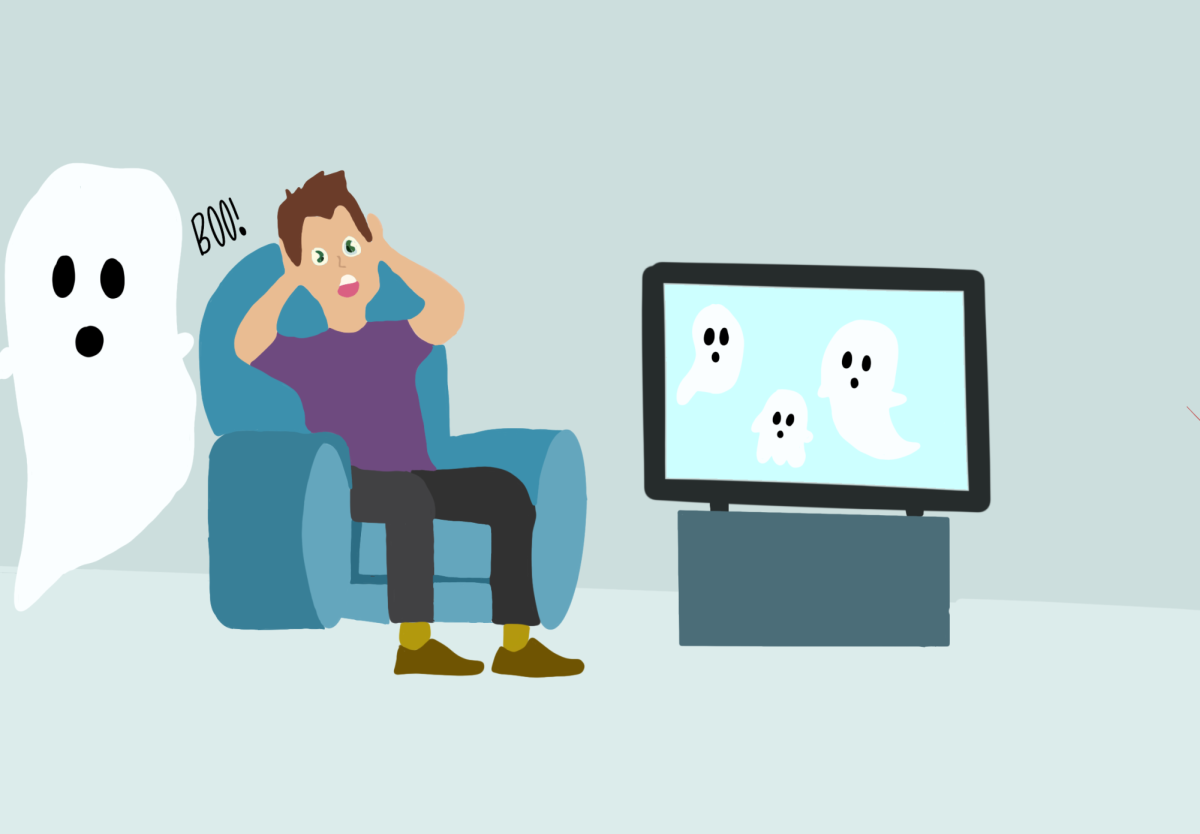


Sleep deprivation is becoming a larger issue for teenagers in high schools every year. With early school start times, late night sports, homework and many other factors keeping teenagers from getting enough sleep, high school students often find themselves tired throughout the day. It is common for many students to not get a full night of sleep occasionally, but it should not be normalized and is very harmful to teenagers’ growth, academic performance and health.
The recommended amount of sleep for teens ages 14-17 is 8-10 hours. Many students do not find themselves reaching this recommendation because they have to stay up to study or complete homework. Studies from the Child Mind Institute show that up to 70% of American high school students have some type of sleep deprivation. Students with sleep deprivation are also more likely to fall asleep in class or be tardy to school because they slept past their alarms.
“I typically only get five or six hours of sleep every night and it’s a big struggle for me to wake up in the morning. I’m really tired almost everyday at school,” Walpole High School student Brooke Westmoreland said.
When students are exhausted at school, it can negatively affect skills like memory, attentiveness and the ability to regulate emotions. According to the National Library of Medicine (NLM), up to 40% of teens are tired during the day. NLM is the world’s largest medical library, and gives information and resources to people, including teens and caregivers, for free around the world. Sleep deprivation can cause students to fall asleep in class or not pay attention, which can negatively affect their grades.
“I think I perform better on tests and quizzes when I get more sleep because there have been times when I go in for a test and I’m not prepared because I’m tired and my brain is just foggy. Good sleep definitely helps me feel better and perform better in school,” Westmoreland said.
The brain is also less focused at night, which can cause late night study sessions to not be effective. Information does not retain as well as it would in a normal study session during the day because a lack of sleep can decrease concentration and memory. A study from Ghent and KU Leuven universities in Belgium reveals that a good night of sleep can improve scores on tests by almost 10%.
Sleep deprivation can also become dangerous for teens, as it is possible for them to fall asleep while driving. A North Carolina State University study discovered that in 55% of accidents caused by falling asleep or not paying attention on the roads, teens are involved with the crash.
These problems teens are facing are complicated to solve; however, some schools are starting to use different strategies to help students. Moving school start times later is an option that many schools are beginning to implement in their schedules, as it gives students time to sleep in and not wake up so early for classes. Westwood High School recently changed their start time from 7:25 a.m. to 8:20 a.m. to help students with their sleep deprivation. Many students have been benefitting from this change and find that they are less tired while in class.
“Even though I get home later, I still have plenty of time to complete my homework. I do think that students are still tired in the mornings, but it really helps to not have to wake up so early for school.” Walpole High School student Ellie Harrington said.
Teens can also implement better sleep habits in their lives to improve their sleep schedules. Habits like exercise, not using electronics within 30 minutes of going to bed, sleeping in a quiet room, and going to sleep and waking up at a similar time everyday can all ensure a good night of sleep. These habits will improve teens’ performance in both daily activities and in school.
Sleep is necessary for teens to succeed in school and they will face many negative effects without the proper amount they need. Students need more sleep, and there are many ways for both schools and teens to raise the amount of sleep they get each night. Teenagers are much more likely to increase their academic success and improve their lives with more sleep and it is very important to take care of the issues they face because of sleep deprivation.