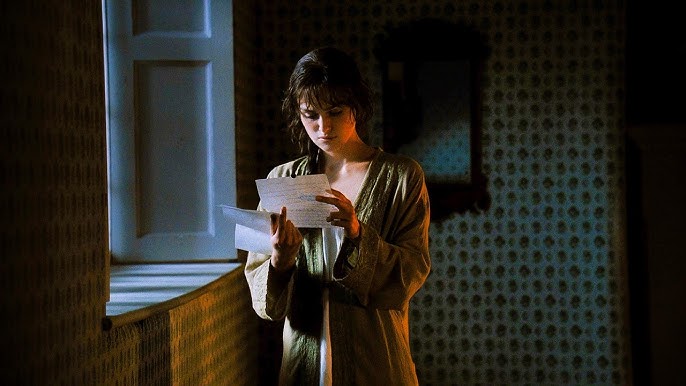

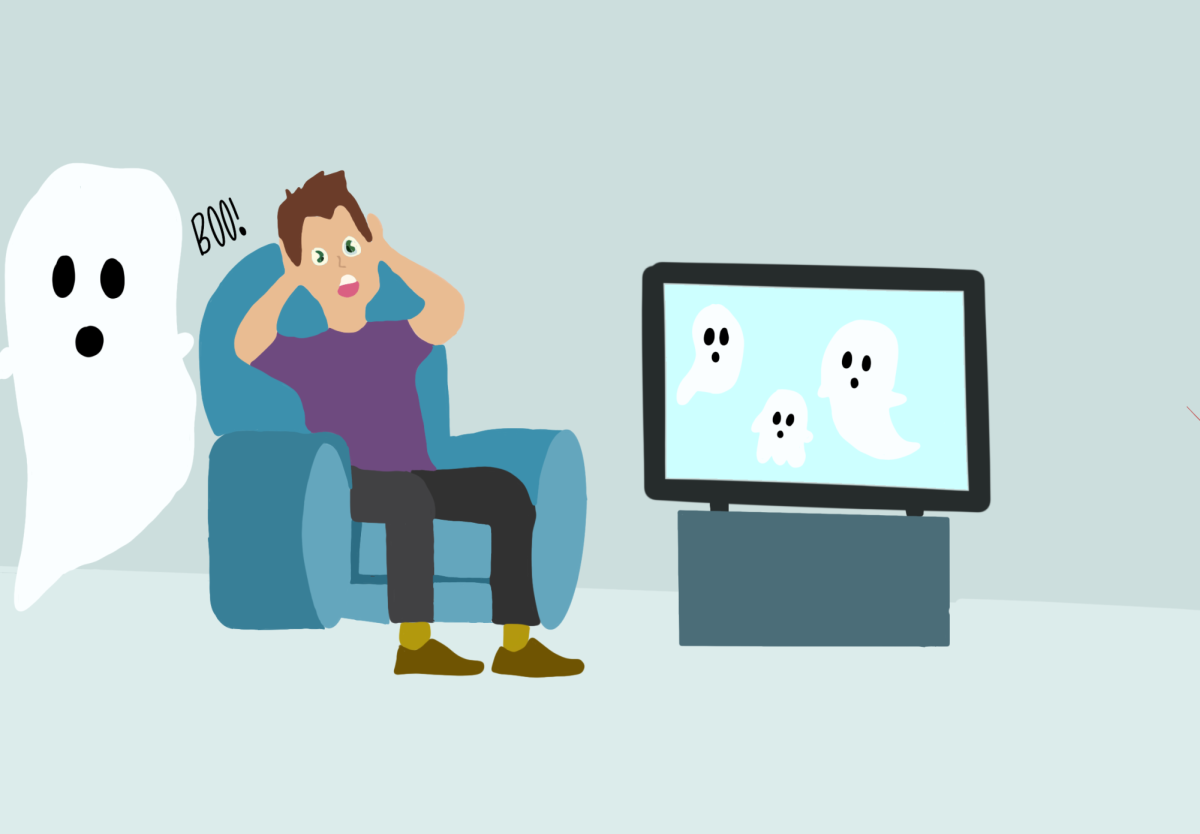
True crime; a non fiction content area that focuses on real-life crimes, is a widely popular category of content that can be found on almost every social media platform or streaming service. This content can be consumed through podcasts, documentaries, books or social media content. Watching true crime can be considered harmless and typical to most; however, true crime can cause heightened anxiety, content makers typically do not ask the victims families for consent to make content and true crime can spread misinformation.
According to a study by Edison Research, 84% of Americans older than 13 years old have consumed true crime content in any form. With this information, it is clear that true crime is deeply ingrained into society. When large groups of people are constantly consuming gruesome content, it can cause widespread paranoia and anxiety. Individuals who watch true crime frequently can develop a twisted and dramatized world view as they are constantly listening to and watching content about horrific crimes. This causes them to become more aware of crimes like murder, and begin to think that they are more likely to happen than they actually are.
Similarly, when people consume true crime content on a regular basis, the viewers of the content can begin to view cases as fictional events, instead of real events that happened to real people. In comment sections of true crime posts on social media, users commonly refer to the cases they find interesting as their “favorite” cases. While this may seem harmless, it makes the atrocities that happened to real people appear less serious than they truly are. When a lot of individuals are creating and consuming content about true crime, misinformation can be spread rapidly. When one creator or commenter makes up a false claim regarding a case on accident, people spread that claim quickly, to the point of which it becomes so widespread people begin to view it as truth.
Not only does consuming true crime affect the viewers, but it also affects the families of the victims. As there are no laws requiring true crime content creators or journalists to ask the victims’ families for consent before releasing true crime media, most families are unaware that the cases that are about their loved ones’ are going to be made into widely viewed content. Furthermore, in addition to the families not being asked beforehand, they are also not being compensated. In some cases, when cold cases, a crime in which nobody has been charged, are discussed online, people who find inconsistencies in these cases turn to family members and begin to portray the family members of the victims as the offenders of the crime. When family members are constantly seeing content regarding the deaths of their loved ones, or in some cases even being accused of the crime by social media users, it can cause them to relive the trauma that they experienced.
The rise in consumption of true crime content in recent years has caused many negative outcomes. The creation of true crime content harms viewers, victims and family members alike. Although there are some positive effects of watching true crime in small amounts; overall, the negative impacts outweigh the positive impacts.