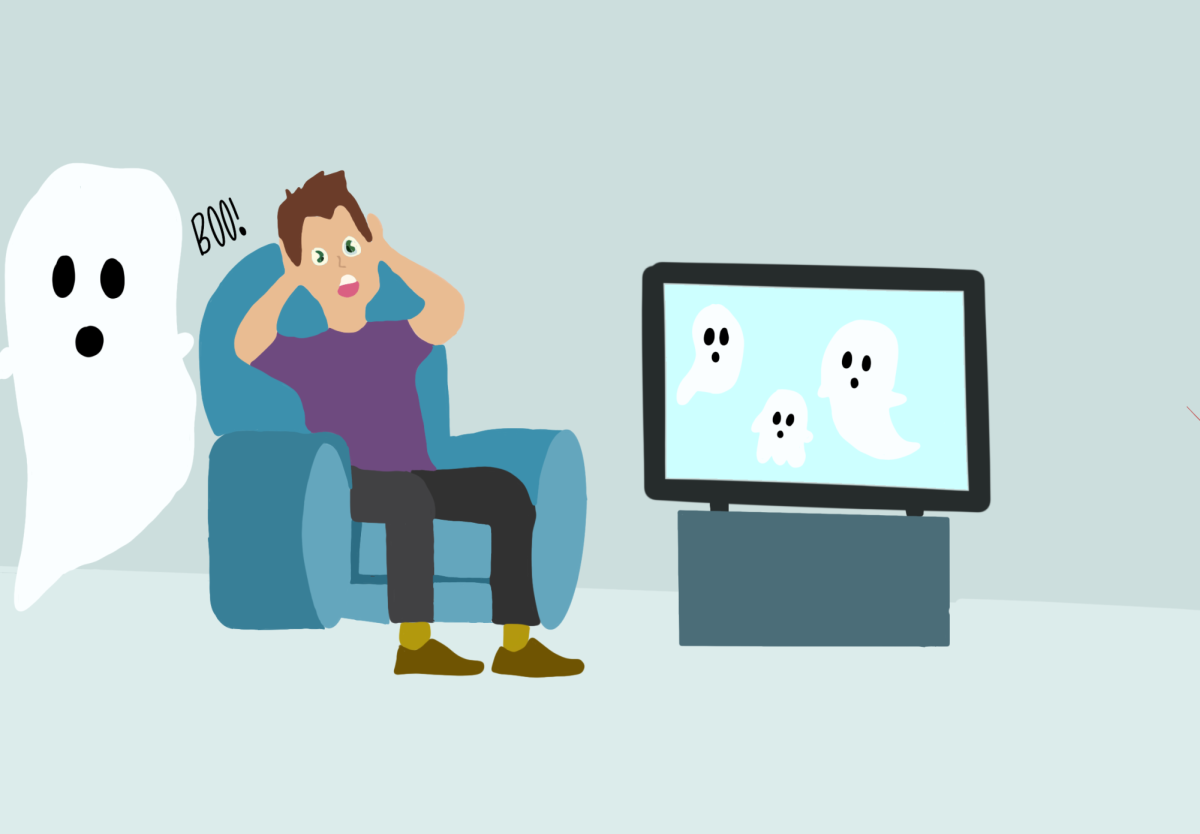

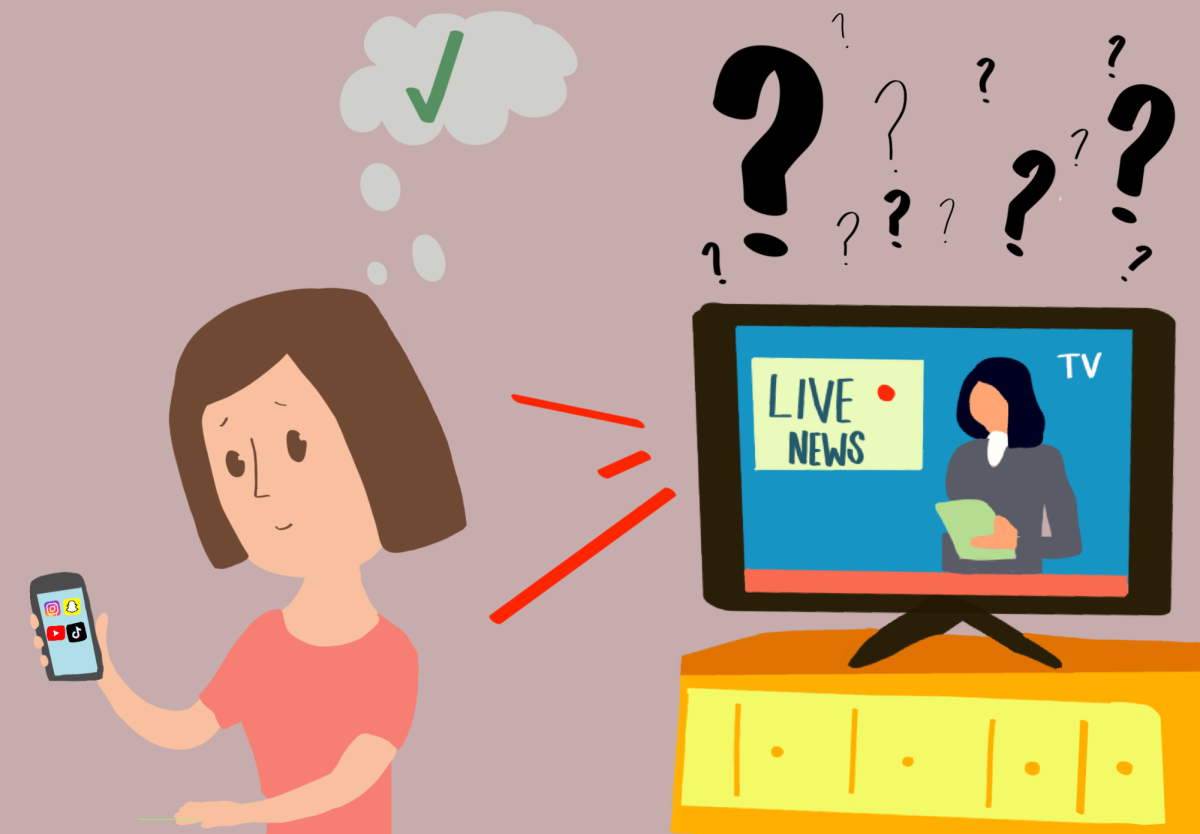
In recent years, there have been many signs that have indicated media literacy declines amongst various social media users. As technology becomes more present in day-to-day life, viewers are losing the ability to use critical thinking skills to properly interpret media. Therefore, many online users are not able to differentiate whether a website is news, opinion, Artificial Intelligence (AI) or advertisement.
Many social media users feel that technology is advancing at a concerning pace, making it more difficult for them to make responsible decisions regarding suspicious media. This can be accredited to the rise of AI usage on social media platforms. AI monitors create helpful tools like algorithms and advertisements on social media apps, but most notably add chatbots for users to communicate with. While these additions to media platforms can sometimes be helpful, they often spread misinformation. When chatbots are communicating with a user, they are programmed to anticipate and predict the person’s next word. The chatbot’s anticipation often causes them to falsely guess the person’s question, leading them to give an unspecific or slightly incorrect answer. If the platform is well-liked, most users accept the chatbot’s answer and spread the misinformation onto others. The circulation of misleading information diminishes the value of credited news sources and journalism, which reduces the demand for accurate and trustworthy media. Moreover, many people view AI to be an all-knowing source of information that is reliable and dependable. However, AI is not perfect and is prone to making mistakes. Because of these conflicting realities, AI has spread bias and inaccurate knowledge, information and statistics to unsuspecting consumers; destroying the importance of fact-checking and critical thinking.
Social media also has a tendency to flow at a rapid pace, sharing overwhelming amounts of information that can confuse the audience and deceive them into believing the claim is right. Most popular social-media apps design their algorithms to make “for you” tabs, providing personalized videos that engage consumers and entertain them. The issue with this is that it conditions viewers’ brains into opting for quick dopamine hits from the internet instead of reading, analyzing and using critical thinking. Social media does this by creating an addictive reward cycle. Receiving likes on a post, viewing a funny video and the endless flow of content that social media provides, all stimulate the brain’s reward center the same way as real social interactions. This causes users to become reliant on the entertainment social media provides, in addition to the false media they consume. Creators looking for views often take advantage of the lack of knowledge, spreading misleading information they know most people will not verify. For you pages also promote videos that further one’s own opinions, not revealing the different perspectives on specific issues; therefore, creating a biased algorithm. Social media platforms are programmed to push certain content that have been tailored to fit the users preferences based on videos they like. This is called an “echo-chamber,” because the system clears away opposing viewpoints on problems, it ensures the consumer only sees self-assuring and biased media.
Furthermore, there is an extreme lack of media literacy training and education. Most schools do not provide courses that teach students how to properly evaluate media and understand when it is biased or reliable. Due to this educational gap, most users are forced to interpret themselves and use their better judgment to determine what a piece of media means and if it is credible. Because social media algorithms now prioritize attention-grabbing headlines and misinformation over accurate reporting, many individuals are struggling to use fact-checking skills when shown fake news or similar types of media.
However, there are solutions to fix the damaging media literacy decline taking place amongst social-media users. A popular solution has been adopting the habits of lateral reading. Lateral reading is the process of leaving an unfamiliar website and opening new tabs to see what other reliable sites are saying about the other site, its authors and its credibility. The concept was popularized by Sam Wineburg and Sarah McGrew in their 2019 study at Princeton University that tested the efficiency of lateral reading. Another method is the SIFT method (“Stop, Investigate the source, Find other coverage and Trace claims.”)created by digital literacy expert Mike Caulfield. Caulfield’s system calls for the reader to stop when they feel the source is biased or incorrect; and then look into the source’s background and see what other outlets say about it. Furthermore, it suggests the reader should look for another website that covers the same topic as the original source and determine where the original source gets its claims from and if they are credible or not. Both the SIFT and lateral reading procedures help to prevent users from relying on just one source for information; strengthening good media literacy habits and improving the decline.
The growing decline in media literacy has become prevalent in present day life. Social media creators mislead uninformed users into believing biased content, taking value away from accredited sources and journalists. AI chatbots, the lack of education and the rapid pace at which algorithms move have all contributed to the confusion modern-day media stimulates. Using processes like the SIFT and lateral reading methods, staying up-to-date with reliable news outlets, and consuming information from multiple sources, are all ways you can help reverse the decline of media literacy.