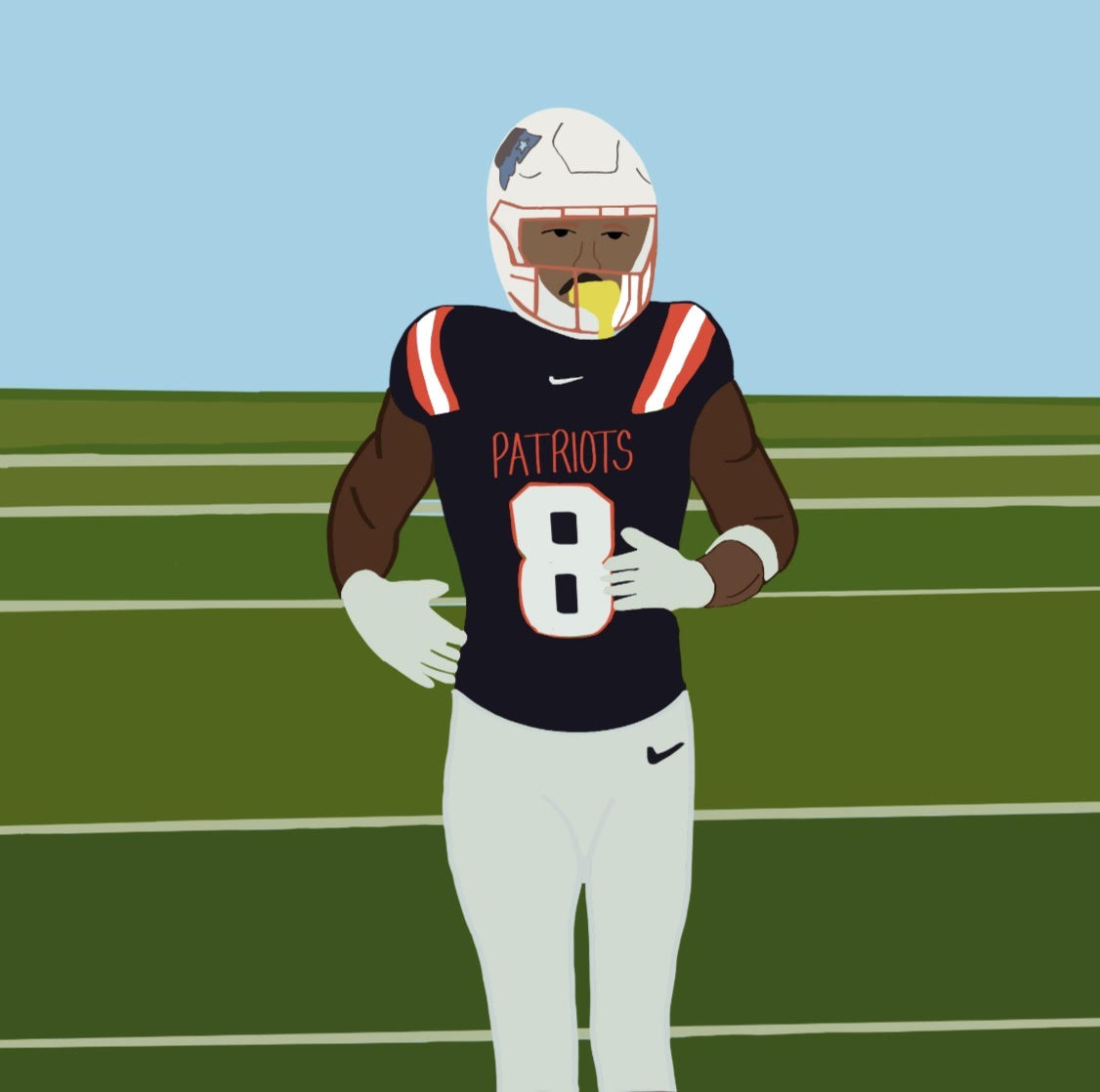


The college sports landscape has taken a major turn in recent years with athletes’ increased use of the transfer portal. The college transfer portal is an online database that college athletes can utilize to express their interest in transferring to another school or athletic program. Despite this being an opportunity for players to find new athletic and academic opportunities, once an athlete enters the portal there is no guarantee that they will be signed by another school. Not only is it possible that the athlete will not be “picked-up,” but also they may lose out on academic and athletic scholarships. As a result, fans and analysts have been concerned that college sports are beginning to resemble professional free agency policies rather than being a chance for athletes to have more opportunities at the amateur level. This is raising the question: is the transfer portal ethical within college sports?
National Collegiate Athletic Association (NCAA) football has seen a major rise in athletes entering the portal with well over 10,000 athletes across all divisions entering at the conclusion of last season. In the most recent open window of the portal, in just a few days, 3,700 players entered. These numbers are highlighting how normalized this process is becoming for college athletes.
This trend is not just seen in football, but also in volleyball. After the conclusion of the 2025 season, 700 players entered the portal when it first opened. Many high-ranked players, such as Torey Stafford, transferred despite positive commitment to their prior school. Stafford started for the University of Pittsburgh (Pitt) in her freshman year, but made the decision to transfer to the University of Texas prior to her junior season. Many believed this was misuse of the transfer portal considering her already having a starting position for Pitt. The growing number of athletes transferring raises questions about the instability of college rosters and the positive effects that come with team chemistry and player development over time which the transfer portal hampers.
However, many fans are supporters of the transfer portal and argue that it empowers athletes to experience freedom and are able to change colleges without restrictions or limitations. This allows for those who may have chosen a program that they do not fit well into to adjust and avoid ending their careers with minimal playing time. Despite the possible implications for programs, athletes who feel undervalued or overlooked by other roster members now have a way to rewrite their narrative.
As transfer numbers continue to rise across several college sports, the debate on whether it is ethical or not remains a big question. While the system may offer flexibility for athletes, it also allows for uncertainty and major risks. Some believe that the current model needs to be altered, but only time will tell if the transfer portal is a positive addition for collegiate athletics.