
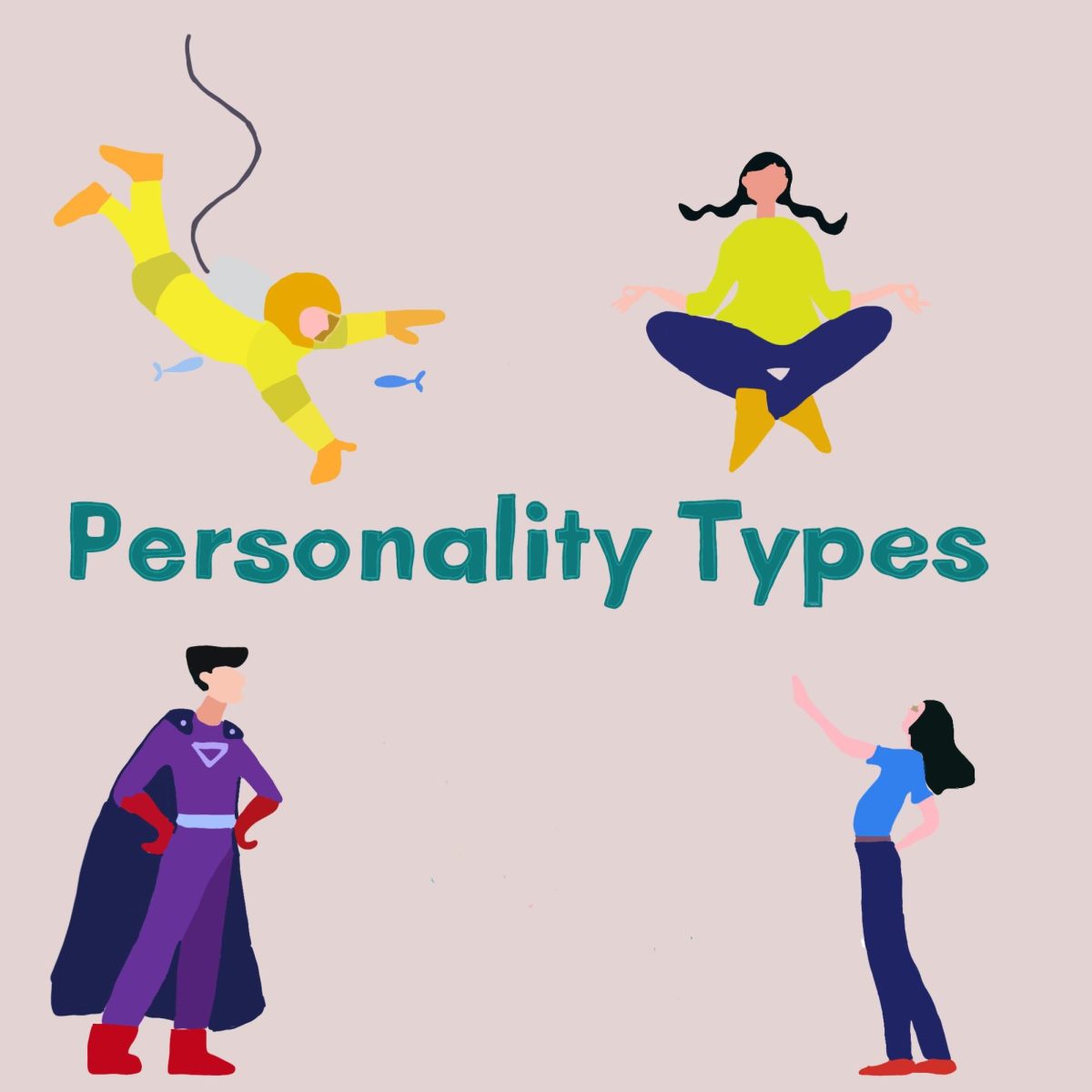
A personality is what distinguishes your thoughts, feelings and behaviors from others. Your response to situations and the way you present yourself in public is what makes you unique. To understand your personality characteristics, experts like Kelly Cantwell from hire success use the first four letters of the alphabet. In each of these categories, there are five sub-categories which are defined by using the acronym OCEAN, or the big five. They describe them as “the director, the socializer, the thinker, and the supporter.”
Type A
Type A people are organized, aggressive, competitive, impatient and successful. They are known as the director because it is their nature to control situations. These people often thrive under a clean environment and pay attention to detail. They focus on being successful and with that comes structure, having a clean environment and clear thoughts. They set high standards for their goals and easily get frustrated when they are not achieved fast enough. Type A people are typically competitive; they want to be superior and better than everyone. They are “short-fused” and tend to think fast. They are driven to complete every day tasks quickly and efficiently. Type A people are hard workers and are always trying to one-up themselves. They work restlessly to reach their goals. Type A people are filled with stress from overworking themselves. We call this “hurried sickness.” When someone works so hard they start to suffer.
Type B
Type B people are calm, flexible, creative and a little messy; they are classified as socializers.
Type B people are relaxed; they take in every moment of life and handle pressure well. They rarely lose their temper and are generally unhurried and laid back. Type B people tend to have a strong imagination and focus on the little details. They explore unconventional ideas in everyday life since they can handle judgment and don’t care what others will think. Type B people prioritize well-being over structure. They can function in an untidy environment and tend to procrastinate day-to-day tasks. Type B people are considered “laid back” as they want to better themselves through relaxation.
Type C
Type C people are known as “the thinkers.” They thrive off of logic, accuracy and pre-planed out schedule. They solve problems through data and facts, tending to focus on precision and listening more than they speak. Type C people focus on details and quality of their everyday activities. They want little to no mistakes on even the littlest tasks. They are often closed off, non-confrontational, self-sufficient and stay calm in stressful situations. Lots of people who have a type C personality struggle with regulating emotions and try to avoid situations where feelings are brought up. When being around a type C person, you should always focus on punctuality and ways to support your ideas through data and statistics.
Type D– Type D people are consistently known as “negative.” They avoid social interaction, bring a realistic perspective to ideas and are careful and cautious of situations. Type D people are pessimistic, prone to worry and can be insecure about themselves and their actions. However, they will always support others and their decisions. They are scared of being rejected or embarrassed; therefore, they avoid expression of emotion altogether. Type D people try to boost others’ self esteem while struggling with confidence themselves. Type D people are often good collaborative problem solvers. They are dependable and bring a realistic perspective to every situation. They are known to be risk takers, while also knowing their boundaries. They take time to fully understand what they are doing and crave efficiency. Type D people are often known to be gloomy, not because of a clinical diagnosis like depression, but due to personal tendencies like being pessimistic. In a situation where a person is venting or expressing their emotions to a type D person, they will provide them with multiple solutions to their issue rather than showing empathy and validating them.
This criteria can apply to you or not at all. You may see some traits that describe you in each category. This can not only help you understand yourself better but how to deal with others in certain situations.