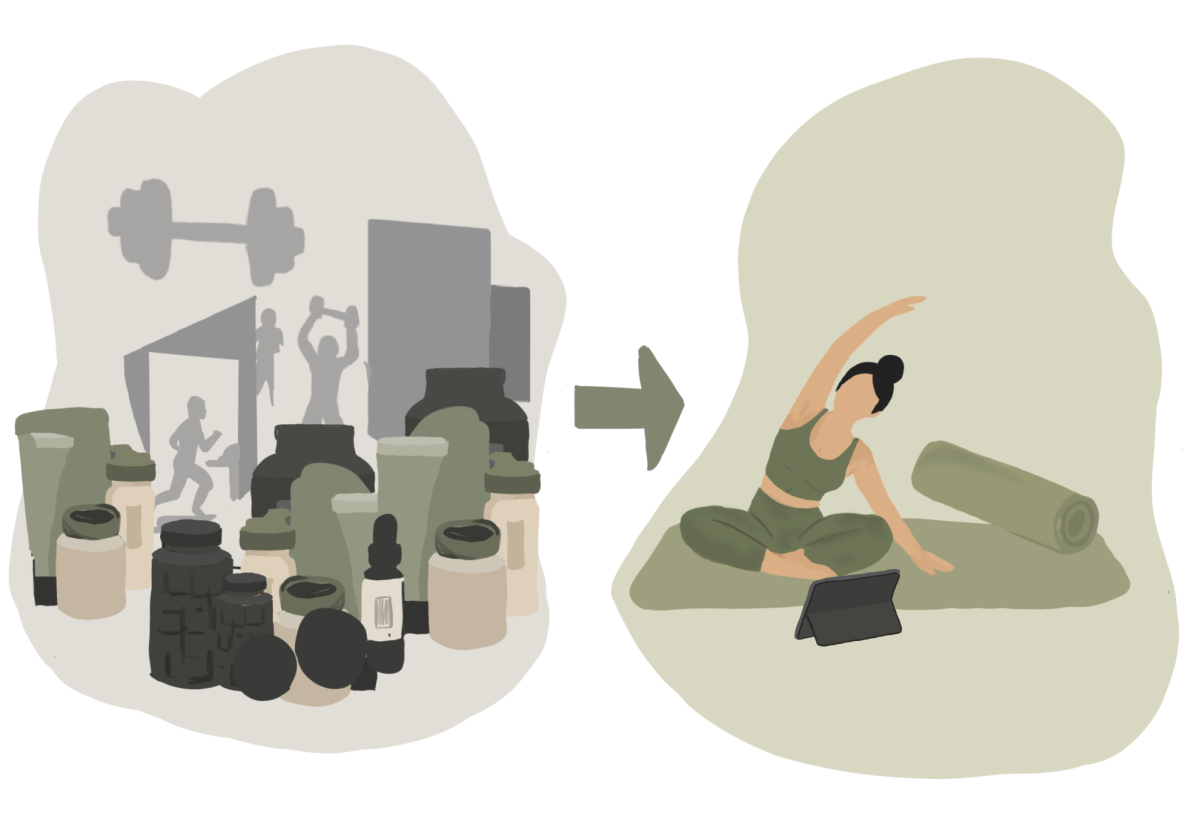

Trends are constantly changing and recently, the once popular minimalist aesthetic is now shifting towards a maximalist look. In previous years, neutral colored clothes, home decor and the simple lifestyle has been adored by many. However, bright colors, maximalist patterns and innovative ideas are now resurging primarily through social media and taking over a multitude of industries.
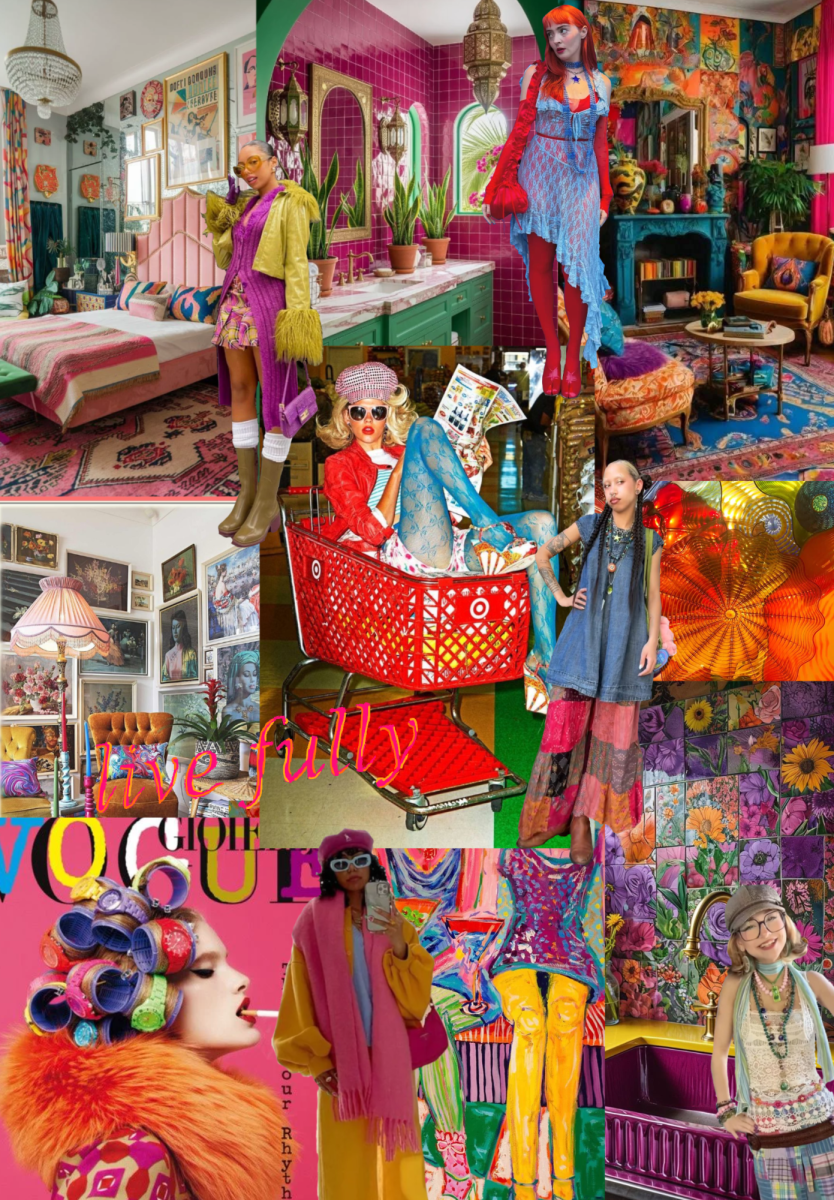
Maximalism can be seen in all styles of clothing. Chunky jewelry, fun patterns and bright colors are commonly seen when one wears the maximalist aesthetic. Hats, scarfs and belts are also often worn with these outfits to cater to the bright and chunky feel of maximalist fashion. When individuals want to appeal to the maximalist aesthetic, they tend to layer sweaters, skirts and shirts to enhance their outfits. The combination of different textures and materials like lace, leather or cotton is another one of the ways that people can maximize their fashion. Additionally, people also tend to create unique color combinations, allowing them to utilize their creative freedom with clothing. Previous trends and unspoken fashion rules have required one’s outfits to match and be aesthetically pleasing; however, a maximalist style defies this precedent. The contrasting patterns and colors introduce a new kind of fashion that lets one delve into new stylistic choices.
Interior design is also an aspect of one’s life that often reflects who they are as a person. The conditions in which one lives can depict their personality and way of thinking. Moreover, decor can portray someone’s character. Similar to fashion, maximalist design is full of different patterns, colors and textures — another way to express oneself and exercise their creativity. When referring to maximalism in interior design, wallpapers, boldly colored paints or excessive wall decor are frequently used.
Wallpapers displayed in rooms typically have various patterns such as florals, checkers, polka dots and stripes. These wallpapers also portray maximalist color schemes with both cool and warm tones depending on the other room decor. Different hues of blues, greens, yellows and pinks are the most regular throughout this style because of their wide range of shades and how well these colors can pair together. An excessive amount of wall decor is also a staple of maximalist interior design. Covering the walls with photos, paintings, posters, mirrors, vinyls and more unique items are ways the individuals maximalize their spaces. While this can appear cluttered to some, it can make the room feel more comforting for others. It also provides the opportunity to display one’s artwork or photography. Additionally, individuals who display a maximalist aesthetic for their interior design generally have unique furniture. Odd shaped vases, chairs or tables make each room separate from the rest and can add the decorator’s personality into the room. Maximalist interior design is a way for someone’s energetic character to shine through their living space.
Generation Z, in particular, is more commonly attracted to maximalism because not only can it be a fashion or design aesthetic, but a lifestyle: living a maximalist lifestyle would mean that a person strives to work the hardest and have the most fun. They embrace their individuality by portraying their culture, beliefs and other pivotal factors of their character. One is proud of who they are and clearly expresses it when they go about the maximalist way of life. Gen Z is known as an active and socially aware generation; therefore, they are typically drawn to maximalism.
The emerging trend of maximalism can affect many aspects of one’s life. It can influence their fashion, decorating choices and mental state. This bright and bold trend is quickly taking over the popularity that minimalism once held.