
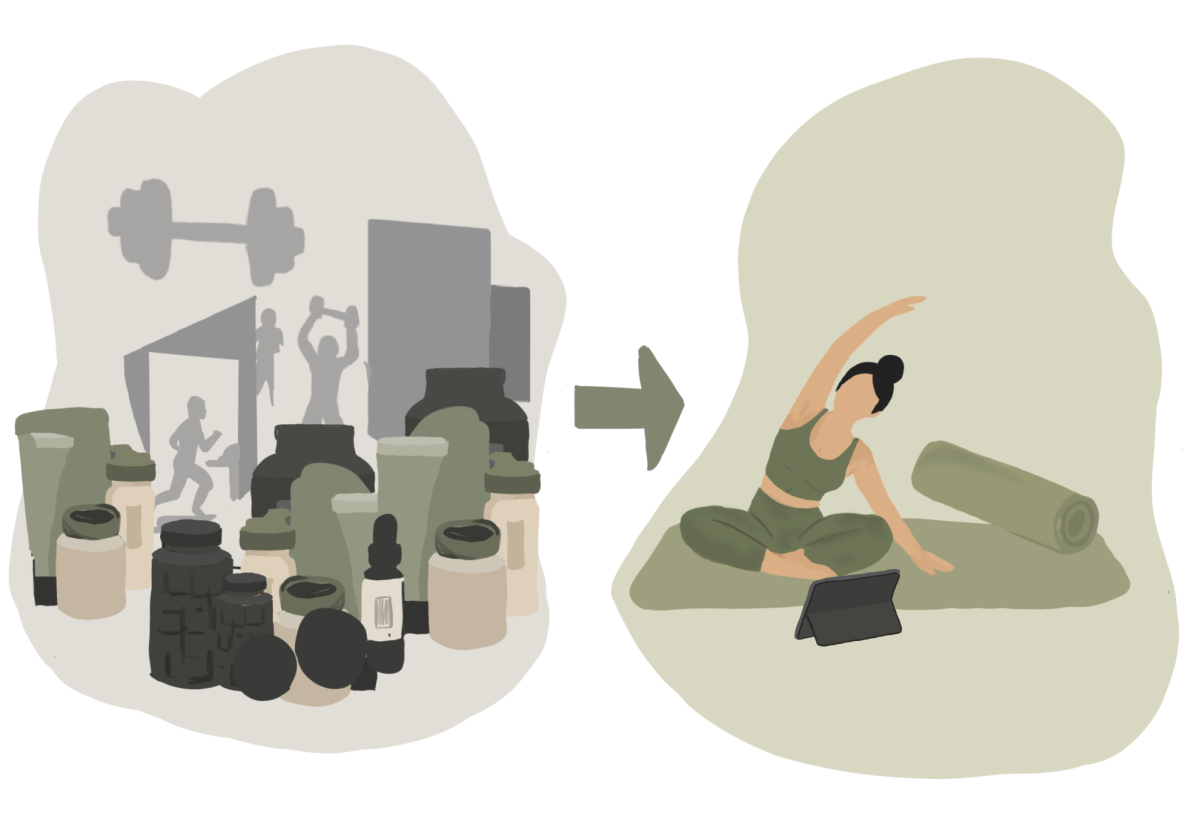
In 2026, the wellness industry’s foundation relies on an array of at-home tools designed to encourage health, recovery and daily activity. From red light therapy devices to walking pads, consumers are able to incorporate wellness practices into their routines conveniently. This increase in availability reflects broader trends in technology, social media influence and consumer interest in personalized health solutions. As these products become more widely consumed, they additionally highlight a shift in how at-home wellness is approached. People are beginning to shift towards product-based solutions that complement traditional habits, while contributing to increased consumer spending within the industry.
Many popular products fall into this category of trendy, at-home wellness tools. Items such as massage guns, lymphatic drainage tools, LED face masks, sleep trackers and posture correctors are increasingly used to support personal goals. These products are being marketed as a necessary part of a complete wellness routine. This variety leads to wellness in 2026 to be increasingly product-driven, with technology making it possible for individuals to personalize health practices at home.
One major factor driving this shift is the influence of social media and digital marketing on consumer behavior. Platforms like TikTok and Instagram have made it easier for wellness products to gain popularity quickly, often as influencers promote them. As a result, these items are not only marketed for their potential health benefits, but also for their convenience and aesthetic appeal. Data from recent market reports shows that the global wellness industry continues to grow, with increased spending on at-home fitness and recovery equipment.
“The global wellness economy reached $6.8 trillion in 2024 and is projected to approach $9.8 trillion by 2029,” the Global Wellness Institute said.
This climb suggests that consumers are prioritizing accessible and flexible wellness options, especially those that can be used without going to a gym. At the same time, it reflects a broader trend of integrating technology into health habits.
Another important aspect of this trend is how rapidly the perceived necessity of wellness products is shaped by online trends. On social media platforms, short videos often showcase visually appealing results from tools like lymphatic drainage plates or LED masks, which can influence the demand for these products. This creates a cycle where wellness items rise in demand because of visibility and repetition in digital spaces. As these products circulate through influencer content and targeted ads, consumers are frequently introduced to new tools that appear to offer improvements to existing routines. Products are regularly added, replaced or upgraded as new trends emerge, reflecting how digital media shapes modern health-related purchases.
The rise of at-home wellness tools in 2026 highlights a continued evolution in how people approach health and daily self-care. Technology allows individuals to personalize routines in ways that fit their schedules, preferences and goals. Social media and digital platforms have also helped spread awareness of new wellness practices, making information and tools more widely available than ever before. Wellness culture is now more flexible and accessible to people to support their physical and mental health in ways that work best for them.