
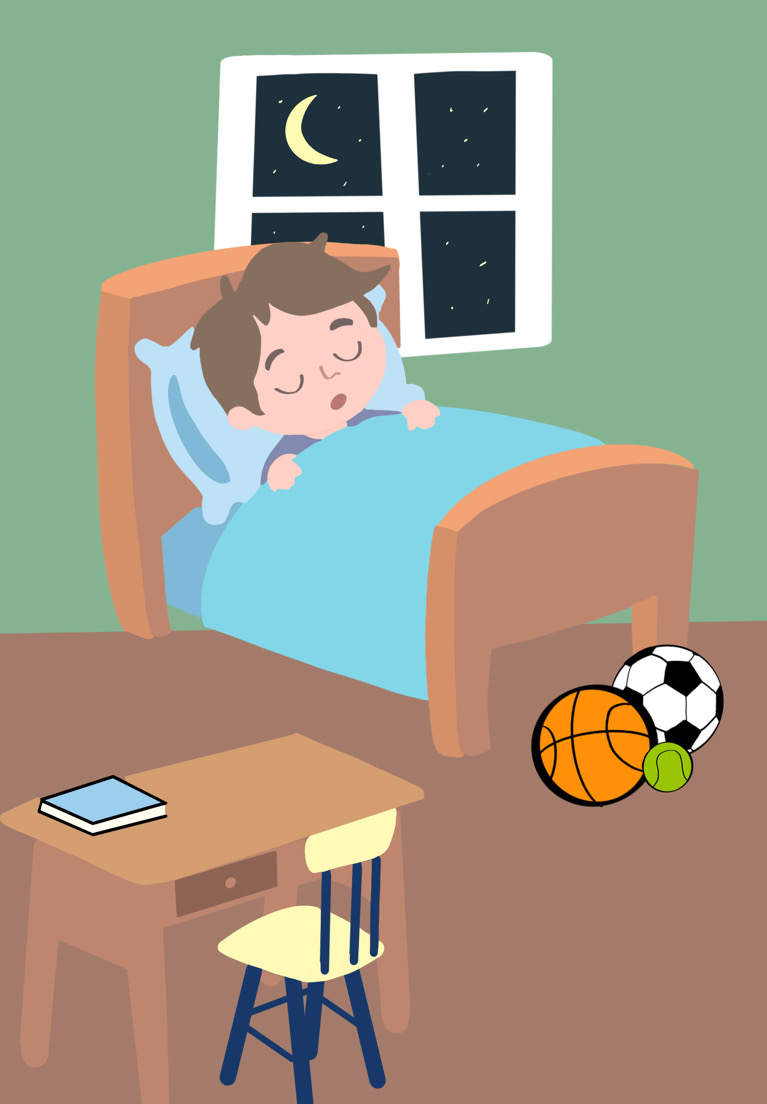
With busy school days and a variety of extracurricular activities, teens can often feel overwhelmed, with little to no time to rest. This can mean waking up exhausted, drained and having to run off a few hours of sleep. Often, some will turn to energy drinks instead of actually resting. Their habits may seem beneficial at the moment, but over time, they will slowly damage their health. For anyone that is burnt out, specifically those who are overworked, taking short breaks throughout the day to nap can be extremely energizing.
One may think that the longer the duration of napping time, the more rested you’ll be, but this is not the case. According to the National Sleep Foundation, researchers say that 20-30 minute naps are the most helpful. A short rest allows the body and mind to calm down, which in turn results in waking up refreshed and alert. This also allows the body to recharge without fully entering a longer sleep cycle, which often results in more grogginess.
Depending on your age, the average amount of necessary sleep varies. Normally, throughout the span of childhood, younger kids need more sleep. According to Mayo Clinic, infants within the age range of 4 to 12 months need 12 to 16 hours of sleep and often nap at least twice a day. Toddlers and young children from ages 1 to 5 years old need anywhere from 10 to 14 hours and usually need one nap in a day. Kids 6 to 12 typically need 10 to 12 hours of sleep, whereas teens and young adults need 9 to 11 hours of sleep. This age group does not need naps as frequently, but can benefit greatly from them. Grown adults need roughly 7 hours of sleep to properly function. Often, babies and toddlers need more naps throughout the day, but for adults, quick naps can be worked in throughout a day.
If you have a difficult time falling asleep quickly, there are many things you can do in order to get the best rest possible, even if it does end up being a quick nap. Buying a blackout mask to block light or ear plugs to block out sound ensures a calm environment. Try to find a quiet and dark place, preferably one that is a comfortable temperature. Sleeping in a room or bed that is cooler signals to the body that it is time to wind down. In order to be ready to fall asleep when bedtime comes, prioritizing behaviors that guarantee you top-quality sleep is extremely important.
Short naps are extremely beneficial for everyone, especially for those with consistently long days. The rest can restore one in a short amount of time, allowing them to continue with their day with full energy. According to an article published by Harvard Health, listening to your body about how frequently you need a nap and prioritizing a good nights’ rest is most important.