

In the past decade, the television landscape has changed tremendously. The rise of streaming has nearly killed cable television and led to a world in which vast amounts of visual media are readily available to anyone willing to pay a subscription. Originally touted as a cheaper and more convenient alternative to cable; however,as an increasing number of platforms were released, streaming soon came to have the same issues as that it had replaced.
When streaming services first started out, the only major service was Netflix, meaning that for a cheap subscription, one could have access to a plethora of movies and television. As time went on, more streaming services began to compete with Netflix. The companies behind these streaming services had originally allowed Netflix to use their properties on their service, but now that they have their own services, Netflix no longer has the rights to use their medea. This change means that in order to have the same amount of content a consumer formerly could have had; they must now pay for multiple streaming services, making costs quickly skyrocket.
“I remember saying to the kids [12 years ago] that you’re in the golden age of streaming right now, because pretty soon, you’re going to have to buy this service and this service and this service,” television production teacher Peter O’Farrell said. “It’s outrageous how much money you have to spend to watch the shows that you want”
Before streaming became the preeminent way to absorb film, physical media, such as DVDs, was the most common way to watch movies. Buying a DVD meant that one would own the movie permanently, a stark contrast from streaming. On streaming services, one subscribes to a platform’s content library; however, not any specific show, meaning that the service can stop any show or movie from being available at any moment. This system means that no one actually owns any content and must simply trust that their subscribed services continue to feature good content. On top of this, some services such as Amazon Prime allow customers to buy movies in order to watch them but if a consumer buys a movie and Amazon then removes it from their catalogue, whoever bought the movie is not refunded yet is unable to watch it even though they theoretically own it.
“If you own it, you should be able to do what you want with it,” the head of the Walpole Film Festival, Michael Alan, said. “I think it’s stupid that they can take what people own off their services but that’s the way it is.”
Due to rising streaming prices, many viewers are reverting to piracy. This illegal method of downloading and consuming media off of the internet without paying was on a steady decline during the 2010s, but since 2020, as a result of increased streaming prices, visits to piracy websites have skyrocketed by 66%. Although many consumers have no qualms with piracy, the act severely hurts the industry, ensuring that the creators behind pieces of art are not being compensated for their work. Although the issue of piracy is ultimately the fault of those committing the act, some blame must still be placed on film executives marking up prices and taking media off of their services, making them impossible to be viewed legally.
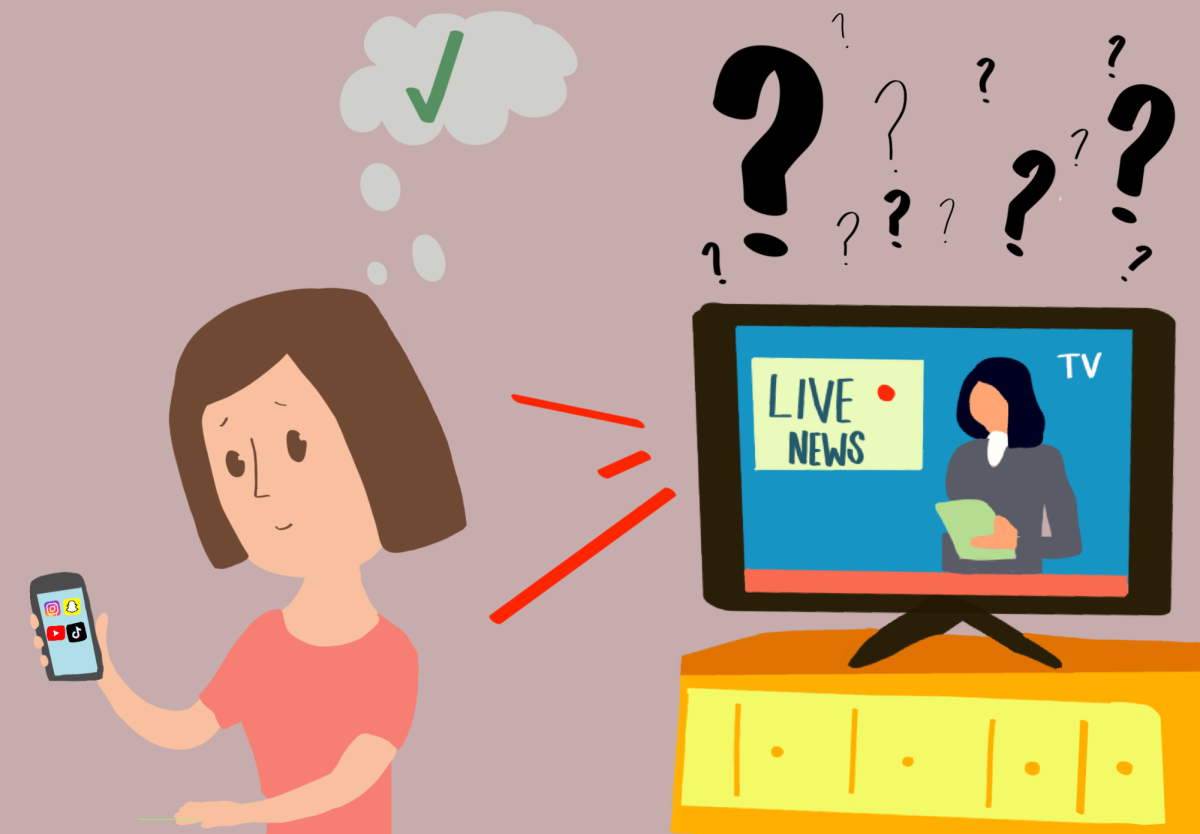
Streaming has had many negative effects on the national television industry, but even more hurt by its rise may be local news stations. As it becomes easier to get news from large sources, many no longer see it as necessary to tune in to their town’s news show. This lack of interest in local news has two major negative effects on television and the country as a whole. First, national news networks are unable to focus on issues affecting small communities, leaving those who only watch news from major corporations unaware of problems in their towns and counties, leading to a less educated public. The second negative is that the majority of people who eventually make their way to working at major news corporations begin their careers at the local levels. Lack of work in local news will ultimately lead to inexperienced employees joining major news stations.
“For someone who takes my class and then wants to go to college and get into television news, [streaming] is a negative,” O’Farrell said. “There’s so many streaming services and so many different places to get information now, so local television news is a dying industry.”
Another industry being killed off by streaming is theaters. Until recently, the majority of money made by a movie was made through people going to the movie theater and buying tickets. Now, the theaters are barely considered. Many movies are given very limited theatrical releases or none at all so that production companies can transfer them to streaming as quickly as possible. The process of streaming replacing theaters was expedited by the COVID-19 pandemic in 2020 that kept people out of the theaters for nearly a year. Since the pandemic ended, theaters have failed to recapture their audiences. On top of local theater owners struggling to get by, the death of theaters has hurt filmmakers as well. Many directors still intend for their movies to be viewed in theaters, considering it the purest form of cinema, but now many consumers do not go to the movies, hurting their enjoyment of these films.
“The part of the industry left out are the theaters,” Alan said. “They don’t get anyone from the streamers so they need the people in their seats.”
Although it makes visual media more accessible to the consumers, the negatives of streaming severely outweigh the benefits. Streaming hurts many people involved in the filmmaking process and is no cheaper than alternatives like cable, leaving it with very few redeeming qualities. Despite this, it is unlikely streaming will fall out of fashion anytime soon as business executives have found it to be a lucrative investment. Streaming, no matter how in vogue, is ultimately bad for the film and television industry.