
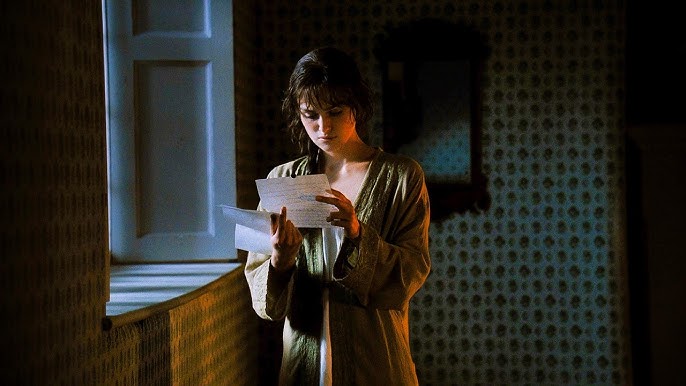
The importance of paper communication is lost in the modern era because of the transition into the digital age, as the 2020s have been the most online decade in human history. The digital age is at its peak: everything from education to home assistance is reliant on a screen. Its ever-expanding domain has one common factor and that is communication. Americans communicate almost exclusively with smartphones for convenience; however, the attraction to the comfort of a screen is responsible for the extinction of paper communication. Once valued as a common, yet intimate method to create and sustain relationships, paper communication is now outdated. Handwriting letters is seen as too much effort and practiced very rarely. There are many benefits to the simple act of writing a letter, though there are few left to gain from these perks.
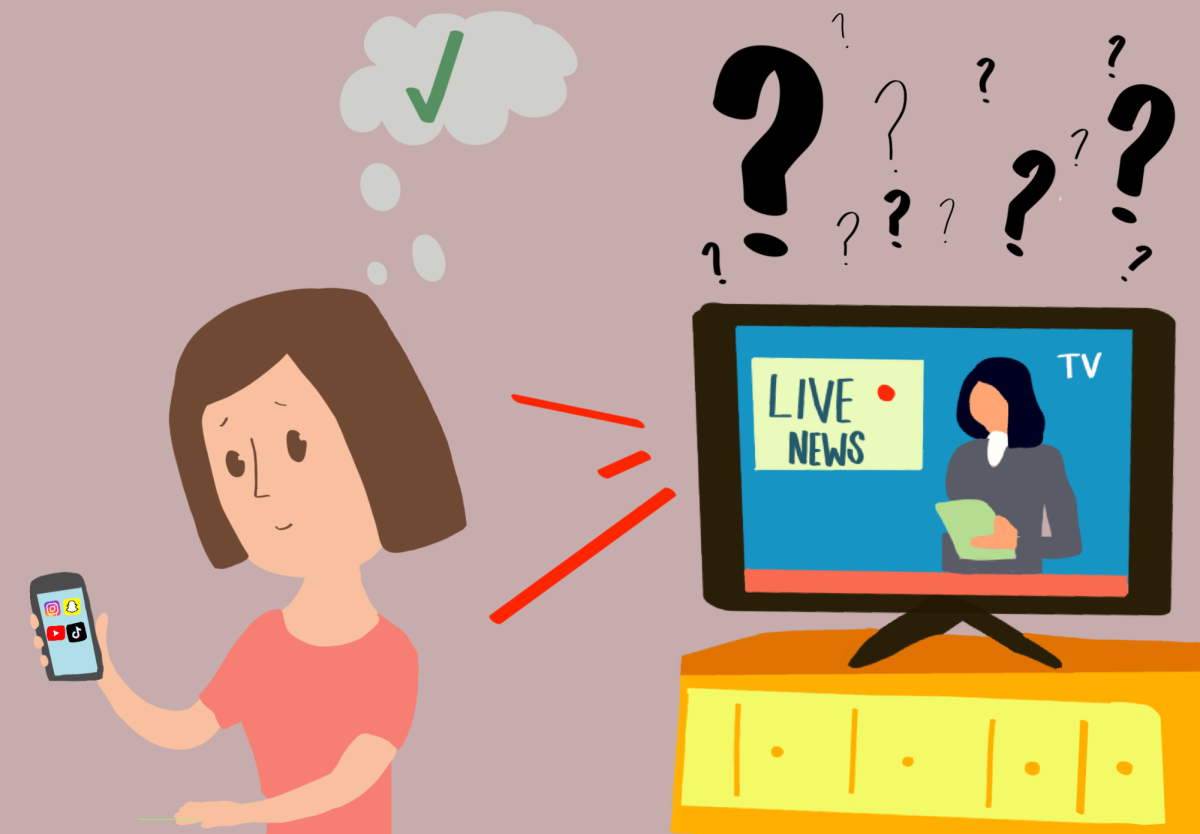
Paper communication, when compared to smartphones, is secure and fulfilling. For example, written correspondence is much more private than a smartphone. The U.S. post office is prohibited from reading the contents of written letters to the extent that doing so is a federal crime. As long as the sender limits the contents of their envelope to paper, the letter’s sole reader will be its intended recipient. Contrarily, online chats are not guaranteed to be private: anything from compromised devices, lack of encryption or a simple screenshot can compromise the security of an online message. Besides the omnipresent instability of cybersecurity, people who handwrite messages also avoid a surplus of screen time by choosing to spend time writing on paper instead of typing. The process of writing a message, packaging it and ensuring its delivery, requires one to go outside and sacrifice their personal time instead of feeding into the smartphone addiction epidemic of today.

Moreover, people who communicate through paper are essentially trading gifts; there is care required in a meaningful exchange that is gratifying both to send and receive. Therefore, paper communication is a rewarding practice. After taking the time to read the letter received, one should seek to write a thoughtful response in return. There is a cycle of receiving attention created that is pleasurable and easy to participate in. The whole process can be as low commitment as desired; after replying, one will have time to themself while they await a reply in return. Instead of an instantaneous reply as given with smartphones, days or weeks of waiting fosters and rewards the virtue of patience through finally recognizing a response within one’s mailbox. With a smartphone, several exchanges can begin and end within just a few minutes. With paper communication, a reply is earned by waiting, a skill as good to practice as any.
The inclusion of questions ensures responses: this obligation to reply supports the longevity of any relationship, including new friendships. Hospitals and shelters house many people in need of support: reaching out can lead to a new pen pal. Whether the recipient is an old friend or a stranger, letters make people feel appreciated. Friendship is a valuable asset and paper communication is a surefire method to obtain and keep it.
Paper communication is a habit with benefits that outweigh, by far, the little effort it requires. Just by writing, packaging and sending letters, one can build their patience and build relationships, old and new. Correspondence through the postal service is completely private and it makes for a much more productive pastime than doomscrolling.