

The Dysautonomia Trifecta is the relationship between Postural Orthostatic Tachycardia Syndrome (POTS), Mast Cell Activation Syndrome (MCAS) and Ehlers-Danlos Syndrome (EDS).
MCAS is a chronic condition that affects 19% of people worldwide. While there is not a known cause, characteristics can be tied to mutations in mast cells, connection to other illnesses, environmental triggers and stress.
“Mast cells are allergy cells responsible for immediate allergic reactions. They cause allergic symptoms by releasing products called mediators, stored inside them or made by them. Sometimes mast cells can become defective and release mediators because of abnormal internal signals,” The American Academy of Allergy, Asthma and Immunology (AAAAI) said.
Dealing with MCAS can be difficult, especially when it comes to learning how to manage your allergies and adapting to symptoms suddenly intensifying. Taking antihistamines, which block the chemicals that release during an allergic reaction and staying in a cool environment. Cold temperatures increase white blood cell count and decrease the amount of histamines in the body.
Another part of the Dysautonomia Trifecta is POTS, which is not a life threatening illness but can affect daily tasks and make simple actions feel burdensome. POTS creates an imbalance between heart rate and blood pressure. Symptoms can include extreme dizziness, fainting, heart palpitations and shakiness. Change in position from either laying down to sitting or sitting to standing can make your blood pressure drop and heart rate rise, causing you to faint. Doctors recommend wearing something like an apple watch or fitbit to track your heart rate in case of an irregular pulse.
“[POTS is] a form of dysautonomia that involves dysfunction of the autonomic nervous system, particularly affecting blood pressure and heart rate regulation. One of the hallmark features of POTS is an excessive increase in heart rate (tachycardia) upon assuming an upright posture, such as standing up,” Engage Therapy and Wellness for POTS awareness.
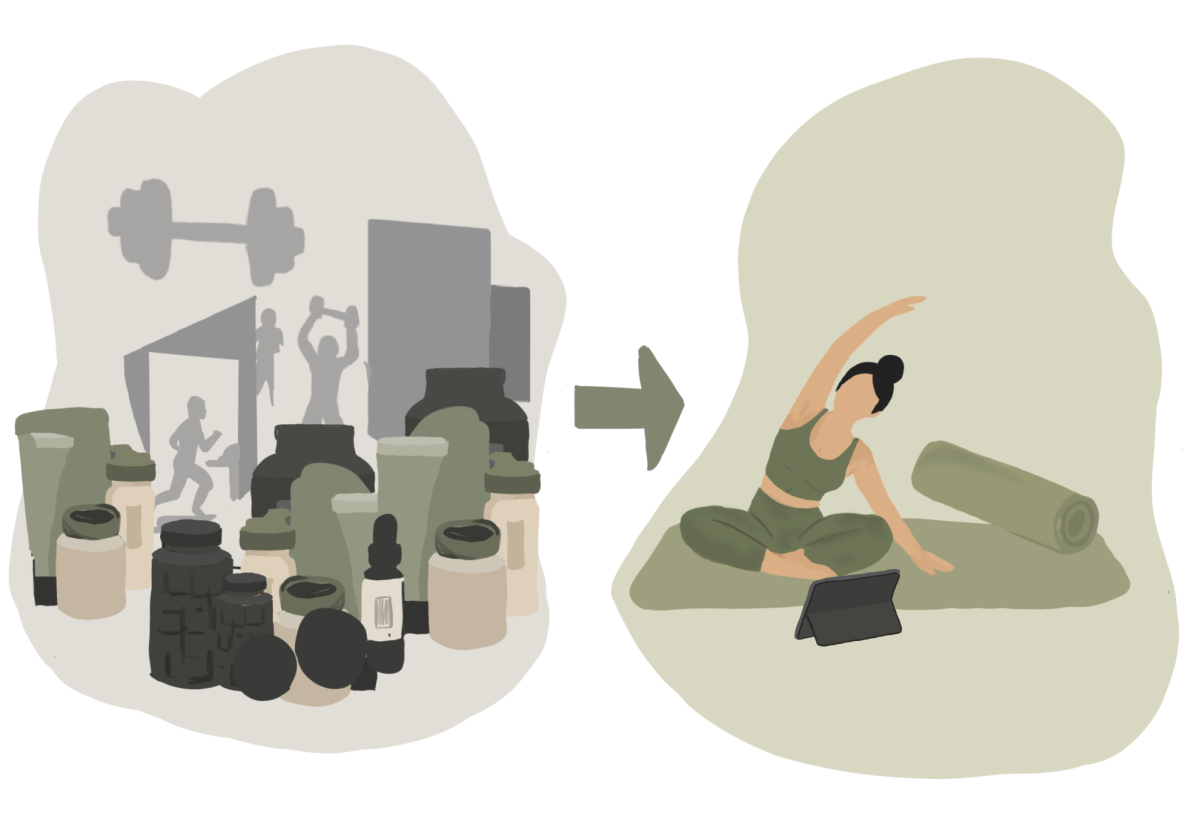
Having POTS means adapting your lifestyle to fit your needs. Such as taking salt capsules which can help with circulation so standing up doesn’t make you feel ill. Another thing that can help minimize POTS symptoms is exercise. Exercising can seem very demanding for someone with a chronic illness but it is the most effective treatment to help deal with symptoms.
The last part of the Trifecta is EDS, a connective tissue disorder whose effects can be flexible limbs, stretchy skin, dislocations and chronic joint pain. Sitting still and not moving for long periods of time can make someone with EDS very uncomfortable. Tendons and ligaments constantly move out of place causing excruciating pain unless snapped back into place.
“The connective tissue that holds joints together is looser, your joints can move far past the normal range of motion. Joint pain and dislocations are common. Skin might also be exceptionally soft and velvety. Weakened connective tissue allows your skin to stretch much more than usual,” The Mayo Clinic said.
One thing people with EDS will have to do is physical therapy. Being able to strengthen the muscles around the problem area can help minimize the intensity of the pain. Light daily stretching can help with dislocations and help decrease the amount of joint pain. The most important thing is using ice packs on inflamed areas.
Having POTS, EDS and MCAS can leave you with little to no energy all the time. The Dysautonomia Trifecta makes simple tasks extremely difficult and everything feels like carrying a weight. Learning how to manage symptoms and deal with flare ups can help you feel more in control of your life.