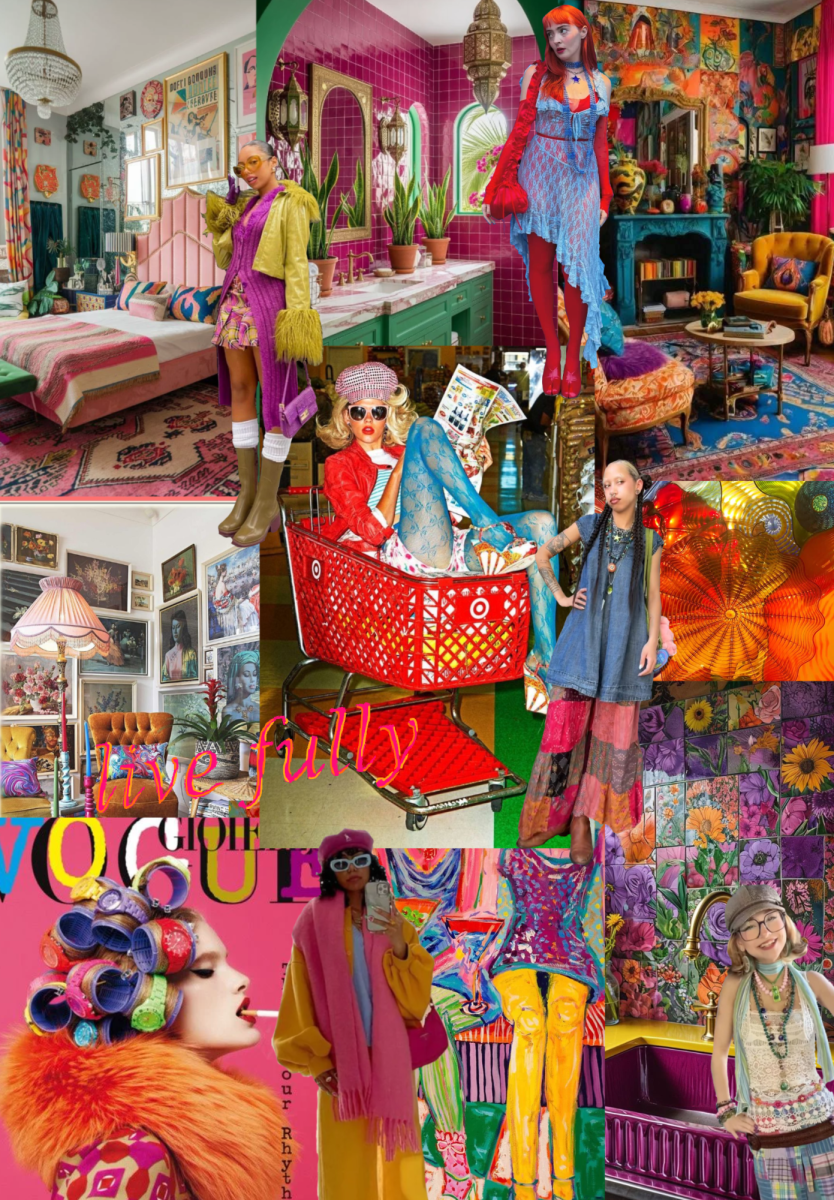

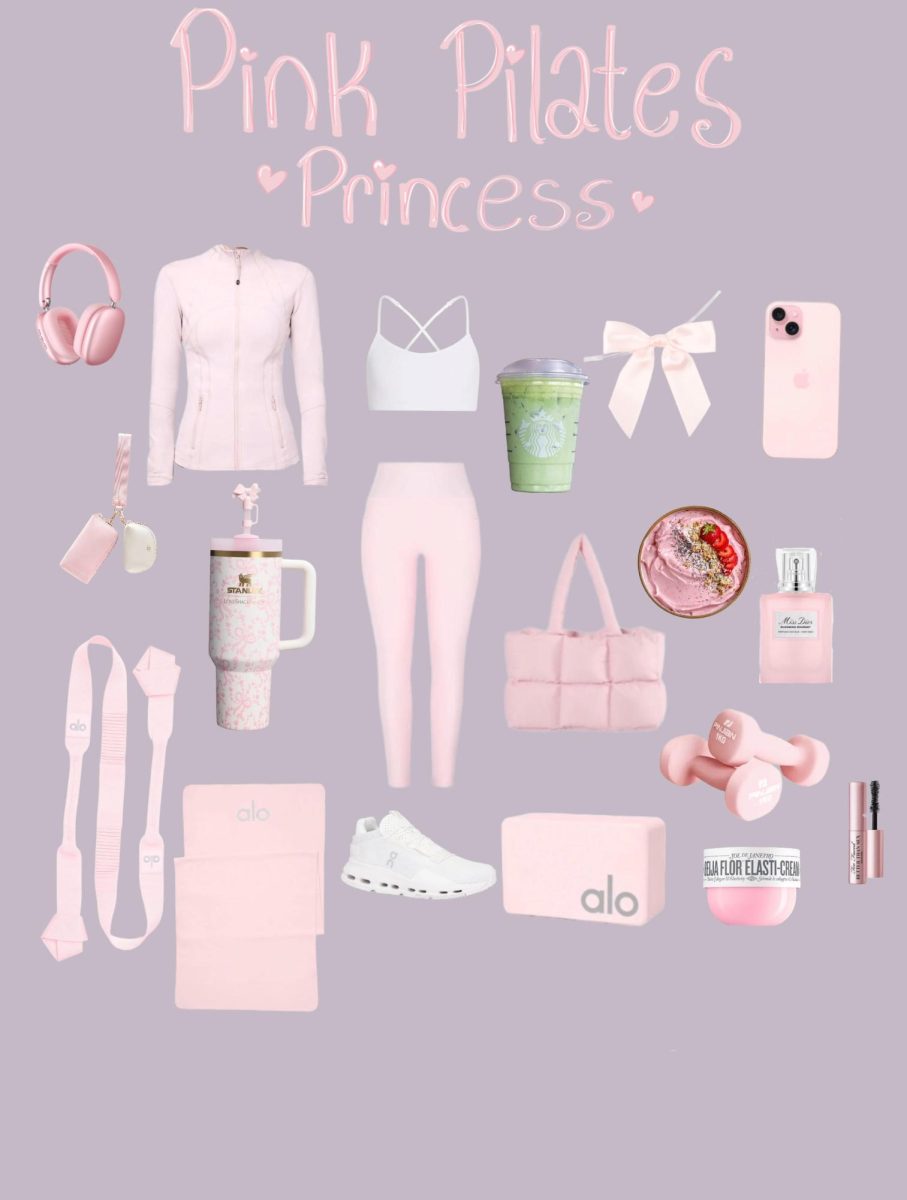
The trend “Pink Pilates Princess” is an aesthetic born on TikTok where people post videos of themselves about their body and their individual workout goals. The idea behind the trend is that people who participate are living “a high end lifestyle” and becoming the best version of themselves to become the “it girl:” a young woman who has a quality that is positively different from everyone, where “it” blends immense popularity, beauty and style. This aesthetic includes fashion, workout equipment, lifestyle improvements and the goal of feeling confident in the best version of oneself.
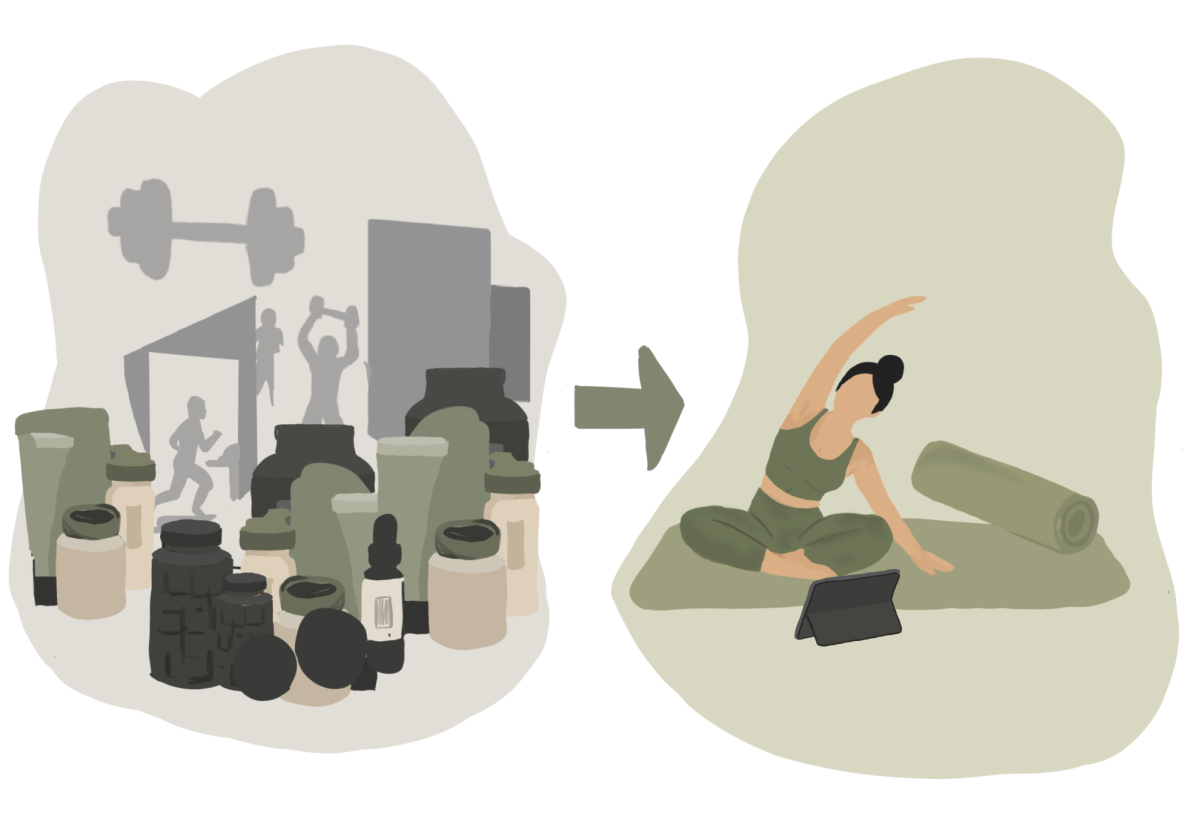
This trend appears to be innocent and delicate but in actuality is the reverse of that. Its promotion of cleanliness and strength hides the real toxic environment. Working out is supposed to be a healthy thing for your mental and physical health, being a “Pilates Princess” is just an aesthetic. Brands like Alo, Lululemon, Athleta and Nike feed into these trends to advertise their athleisure. Along with buying clothes, paying for a peloton bike or pilates reformer if you prefer to work from home adds to the expense of this trend.
Although this trend may seem harmless, it can be extremely damaging. It can give viewers a false perspective of an “ideal lifestyle” because one could feel they have to do so much for something they really want instead of just embracing their current body. Most people cut the “ugly” parts of the body because they want it to come across as a perfect body. This is not good because they want to change their body to meet unrealistic standards instead of just keeping their body the way it is. The goals would most likely not come true, because of their unrealistic standards. It makes a workout style “girly” and also promotes a tall lean body that’s not always achievable or realistic for many. There could be some that push themselves too far to achieve this and end up with restrictive disordered eating behaviors or a negative relationship with food. This trend creates the idea of strong, toned, skinny women posting to show off how she looks. Most photos are photoshopped which create further unrealistic standards for those who are inspired by these.
Some of the damaging effects are unhealthy body images, encouragement of obsessive behavior and promotion of consumerism. Exposure to this body type can lead to low self-esteem, body dissatisfaction and an obsession with achieving an unattainable physique. This trend often masks harmful perfectionism under the guise of “self-care” and “discipline.” This promotes consumerism because it frames a specific, high end wellness lifestyle as an essential because it shapes one’s body.
This aesthetic is an example of another Gen Z micro trend. This can be any type of activity or behavior which is changed to fit the algorithm of social media platforms to generate more views. Usually, the people who engage in these trends are mindlessly following it and just want to be a part of something. Pink Pilates Princess is considered “cool” because it is adventurous and blends confidence with social status.
“Pink Pilates Princess” can be perceived as an innocent trend, but in reality can ruin one’s self confidence by constantly being sucked into watching people be a part of a fake workout utopia. The trend pink pilates princess is a simple fitness which turned into an inaccessible, consumer driven persona.